There are essentially three types of psychometric tests of fluid ability.
⦁ Conceptual or Abstract Reasoning Tests
⦁ Learning Potential Tests
⦁ Cognitive Processing Tests
Abstract/Conceptual Reasoning
Abstract or Conceptual Reasoning tests typically form part of a broader test battery such as a General Reasoning Test, or part of a Learning Potential Test Battery or part of a set of Aptitude Tests.
Abstract or Conceptual Reasoning psychometric tests consist of non – verbal (no language involved) test items that require a candidate to engage in thinking processes such as: identify relationships, analyse, think logically, engage in what – if or hypothetical thinking, test hypotheses, draw conclusions, see underlying patterns in order to solve the problems presented in the test items.
Usually tests consist of between 25 and 35 test items that need to be completed within a specific time limit. The candidate’s number of correct answers will be compared to a norm group on a norm table, from which a standard score or a stanine will be derived. Remember this was discussed in module 3. A stanine score of 1 – 3 would be regarded as being below average compared to the norm group, a score of 4 low average, 5 average, 6 high average and 7 – 9 as above average compared to the norm group.
Abstract Reasoning is a particularly good overall indicator of fluid ability. Because people with strong fluid ability can solve complex and challenging problems that they have not experienced before or have been trained to deal with, they are more versatile and cognitively adaptable. Usually they can problem solve across a wide range of situations, relatively independently of their Competencies. Individuals with limited Abstract Reasoning are limited to solving problems that fall within their fund of experience and well-practised solutions.
Let us take a closer look at abstract or conceptual reasoning…
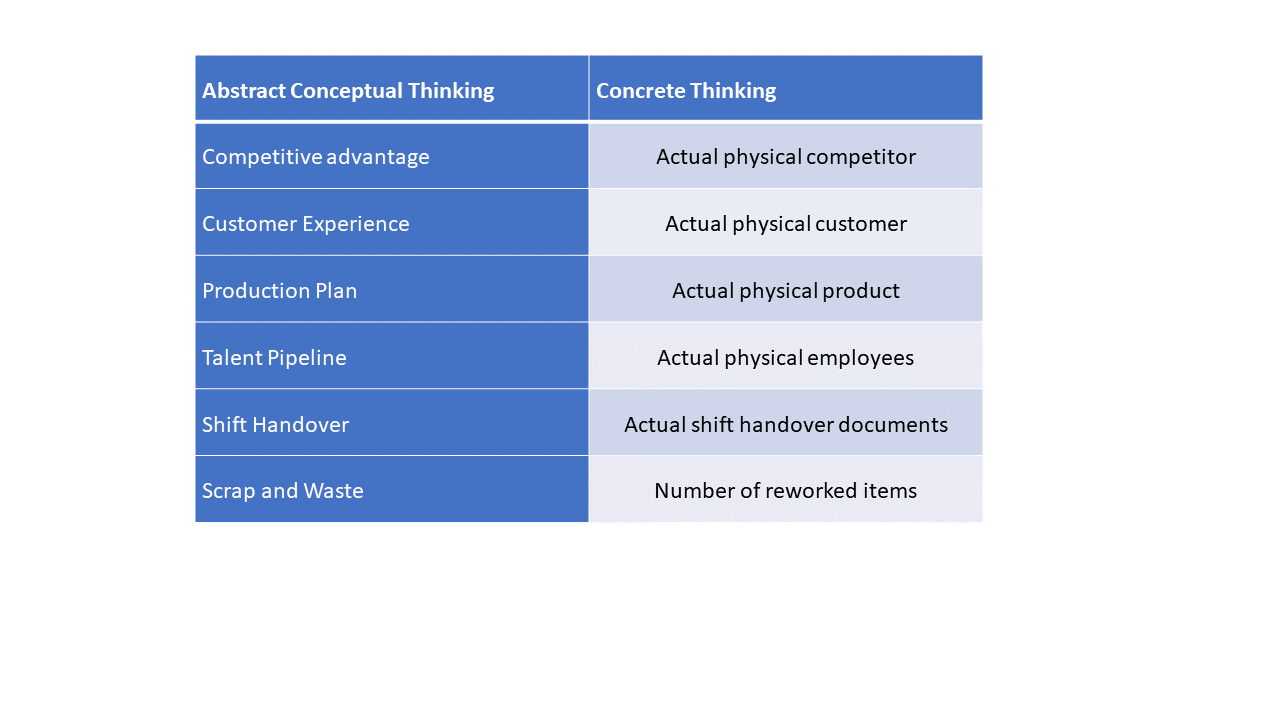
Fundamentally, Abstract Reasoning is when someone uses ideas or concepts to think. Concrete reasoning is the opposite of abstract reasoning. It involves working with literal information – things that actually exist in the physical world that you can see, and touch as opposed to an idea. People with extremely low abstract ability have difficulty in thinking beyond what they can physically touch or see. For example, justice is an abstract concept, while a police officer is a concrete idea.
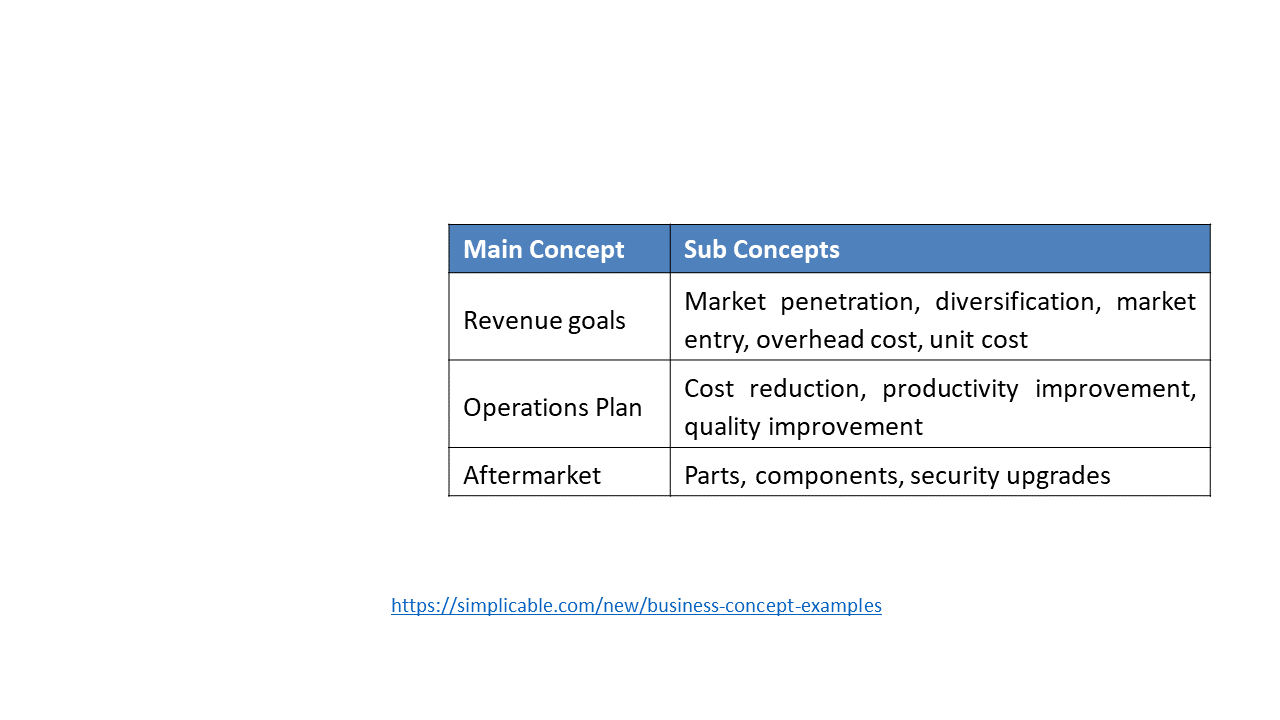
Here are more examples: